
A coworker for the
night shift,
watching every bed.
A healthcare partner deployed VideoDB across their ICU rooms. Bedside cameras now alert on falls, hygiene, respiration, and sedation, in realtime. Every alert comes with a playable clip and a clean record of what happened.
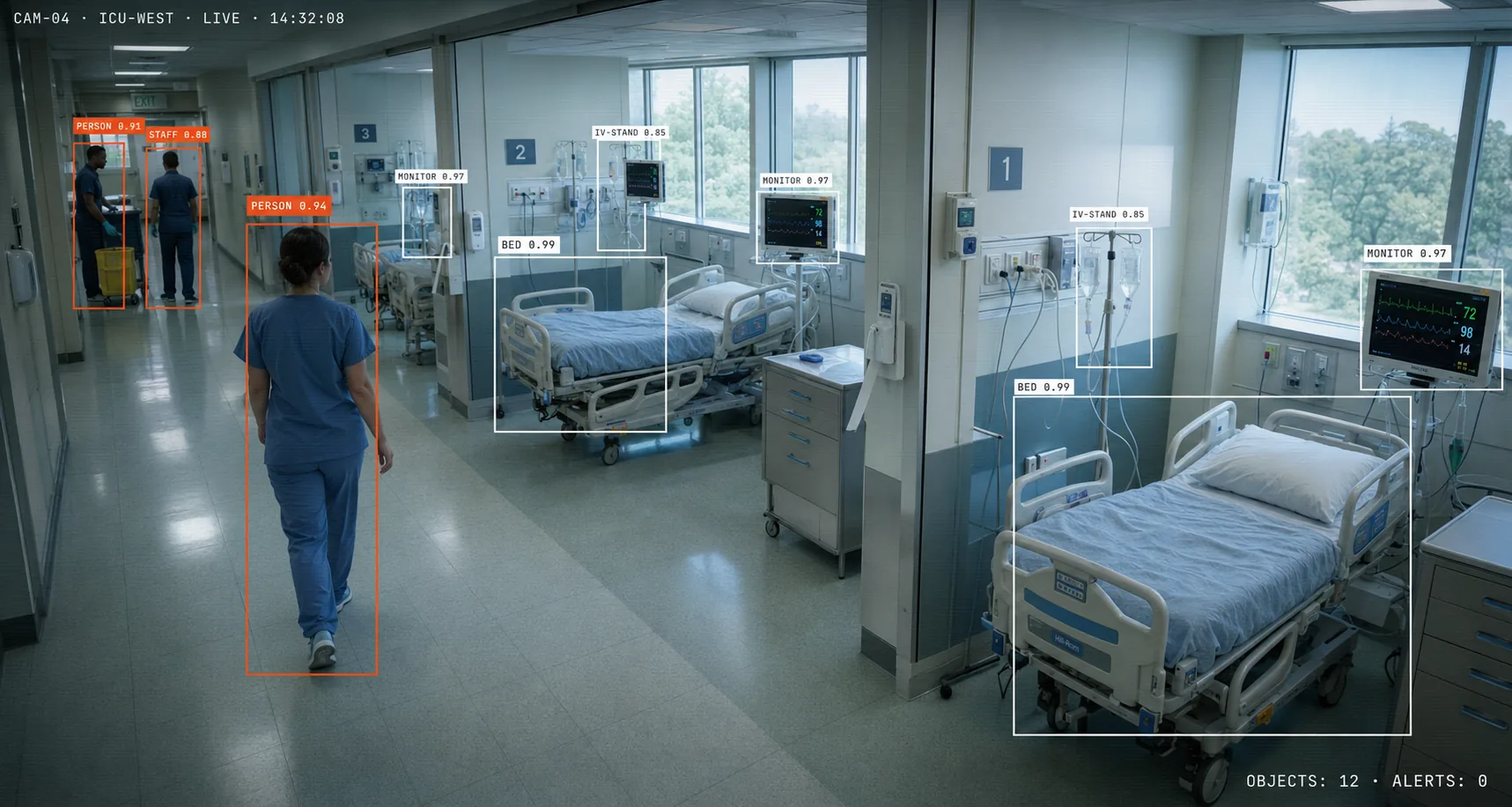
Two nurses. Twenty beds.
A long night.
An ICU at 2 a.m. has a steady rhythm and an unsteady patient. The vitals monitor catches the body. The cameras catch the room. Until now, no one was watching both at the same time.
If a patient slipped out of bed at 2:14 a.m., the team learned about it on rounds. If a sedation level shifted, it took a vitals review the next morning to notice the posture change. Hand-hygiene compliance lived on a clipboard.
The team did not need more screens. They needed another set of eyes that never blinked.
Realtime alerts.
Connected to the whole patient record.
Every bedside camera streams into VideoDB. A clinical model layers on top: posture, motion, hygiene, respiration rate. Vitals from existing trackers flow into the same patient context. The result is a single timeline per bed, where camera evidence and vitals tell one story.
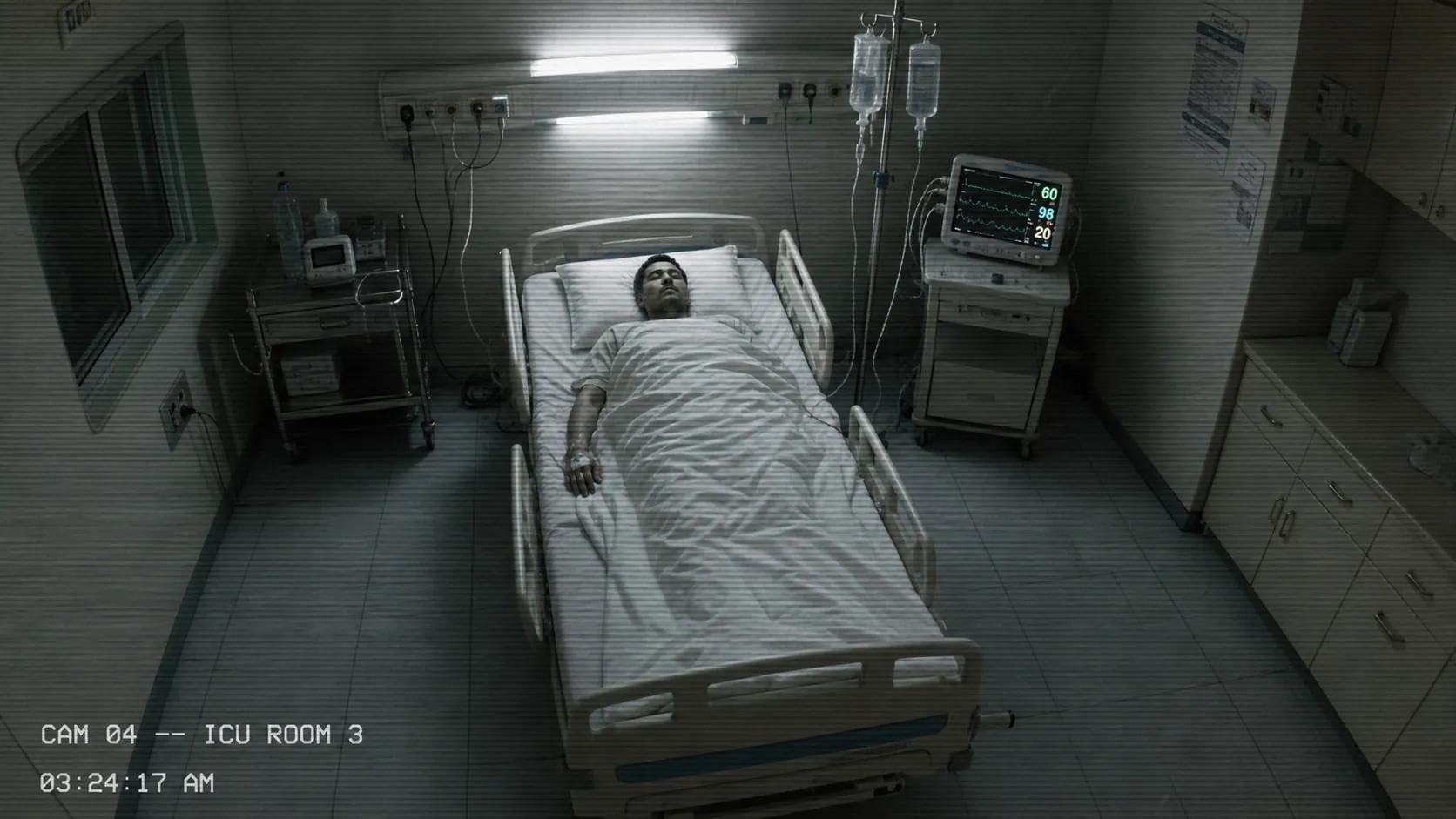
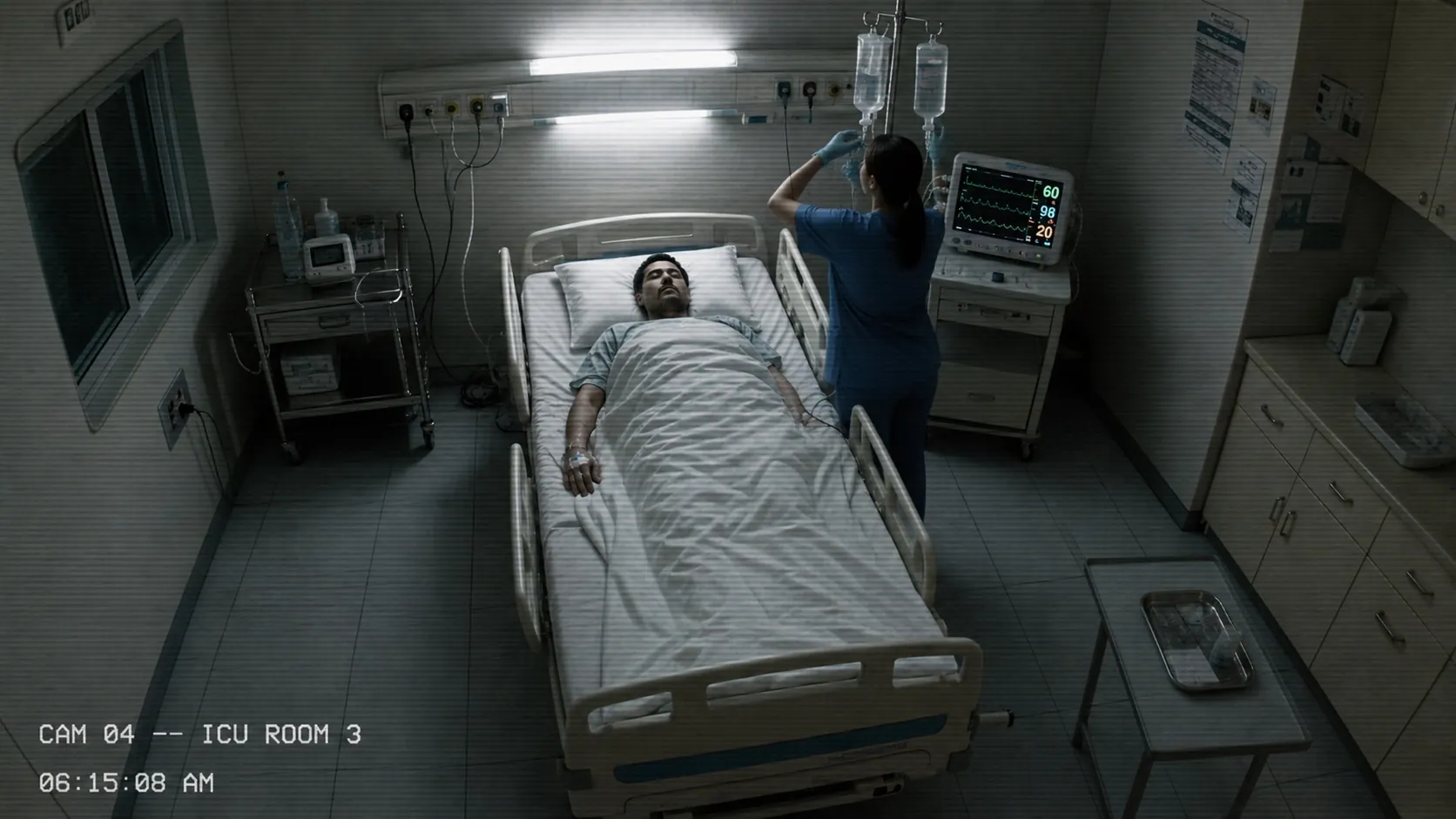
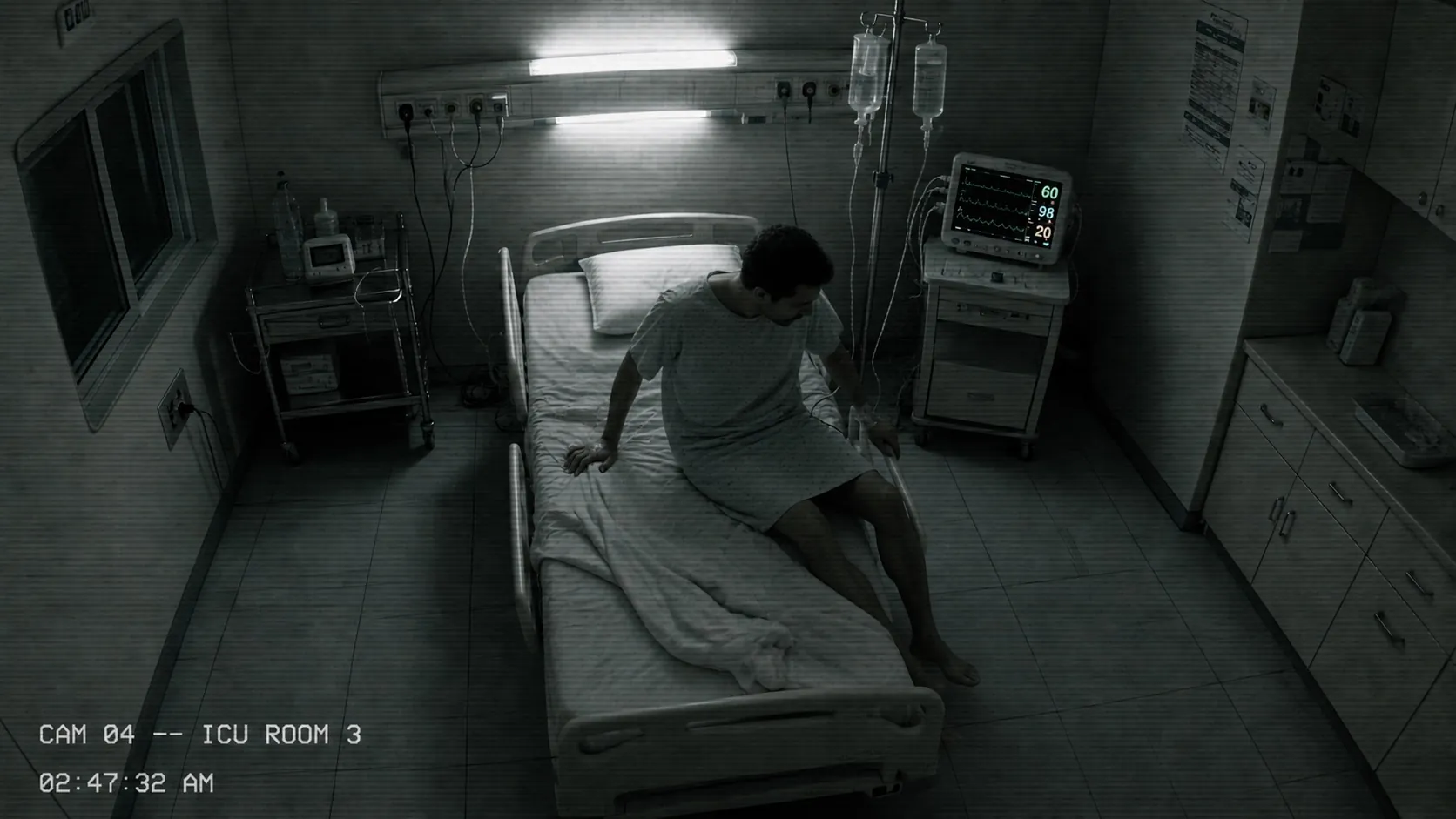
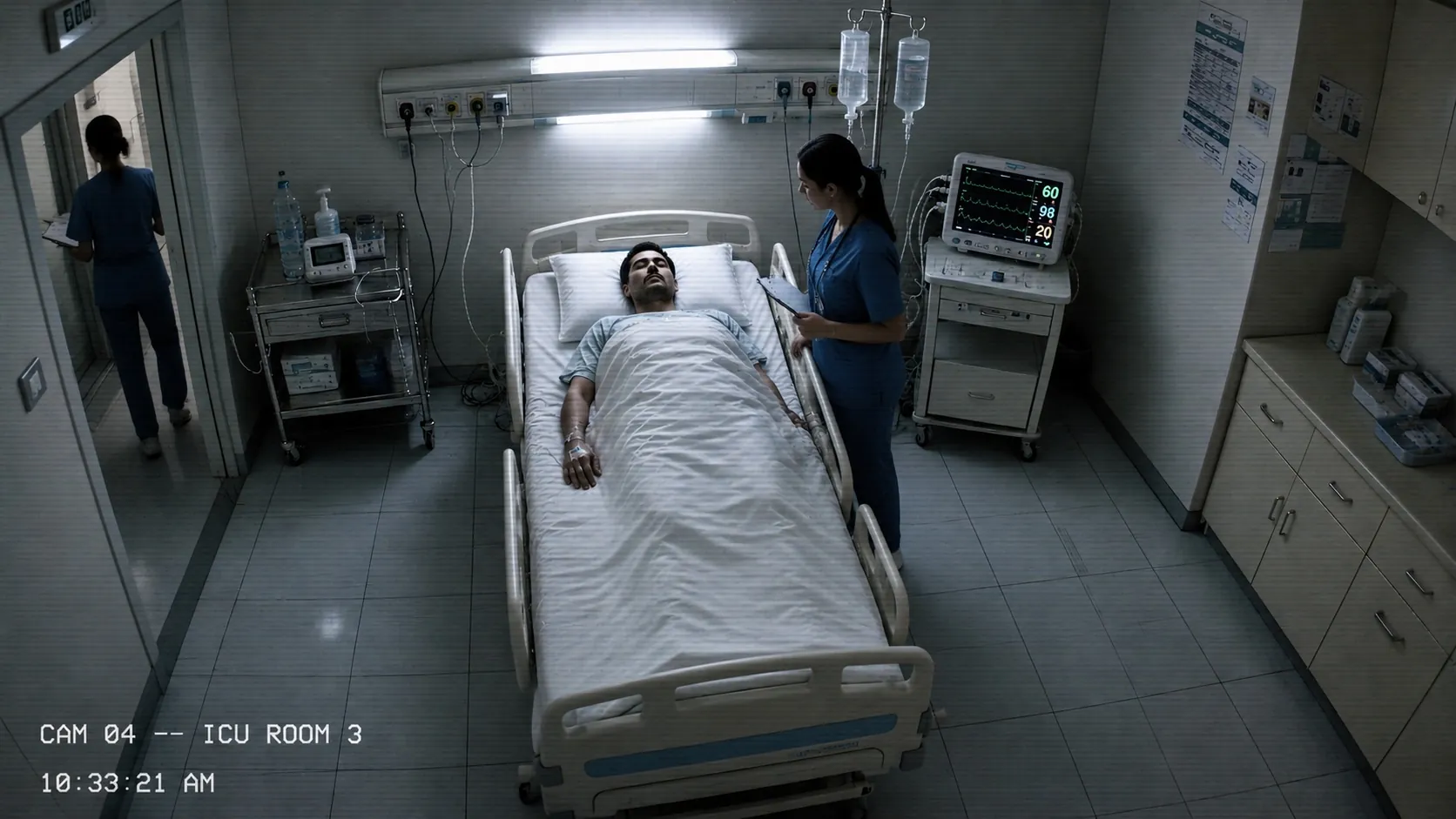
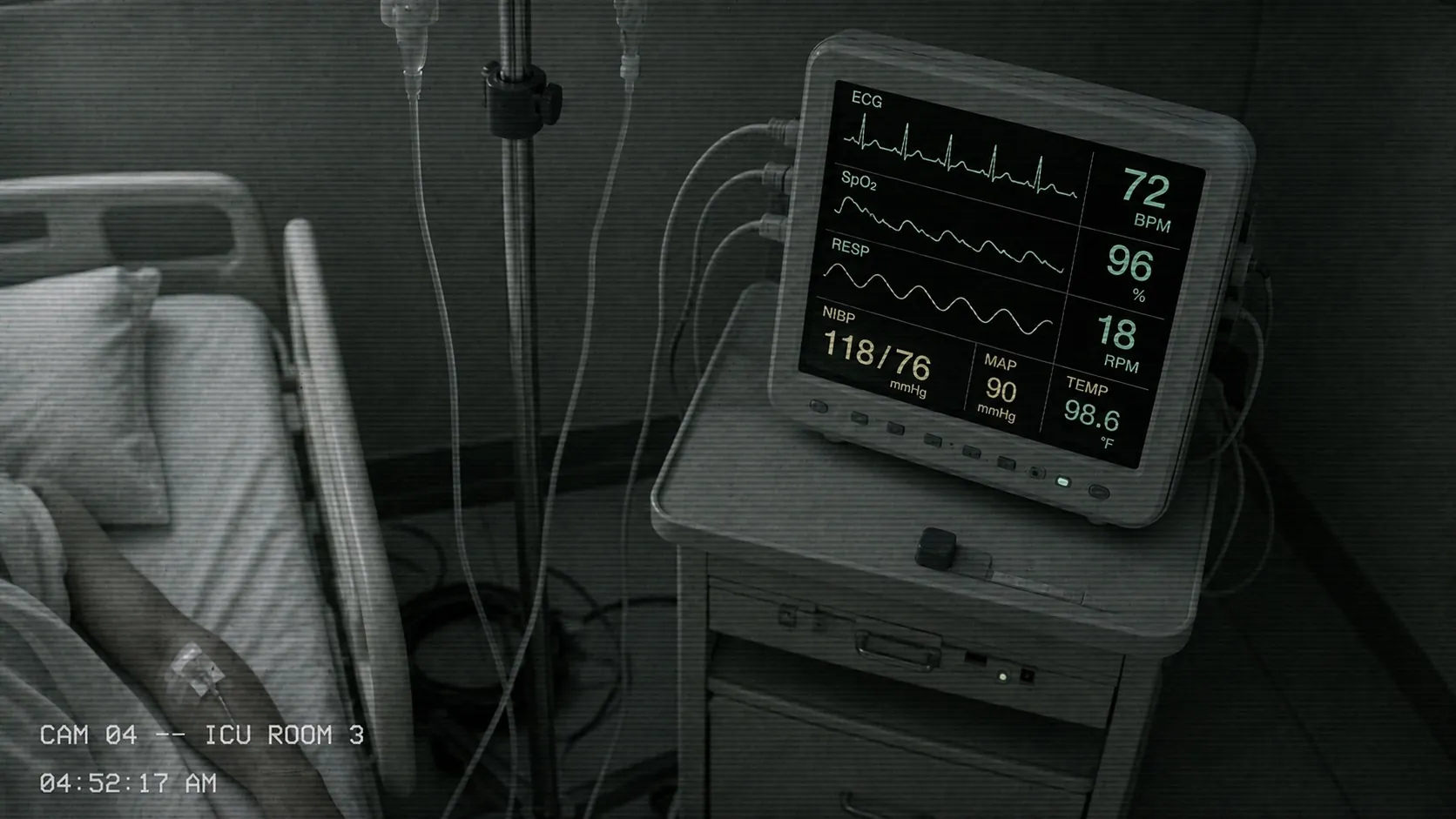
Every claim,
backed by a clip.
The morning handover used to be a story told from memory. It is now a timeline a clinician can scrub. Each event, from a bed exit to a hand-hygiene moment, has a playable clip beside the note.
Hand-hygiene audits, posture-care compliance, and incident reviews stopped pulling time away from the floor. The system tells the story. The clinicians spend their time on the patient.
“On a 12-bed unit, we did not add another nurse. We added another set of eyes that never looked away.”
Clinical lead · ICU deploymentThe bedside camera you already have
can do this. Today.
We will pair a clinical SE with your team and ship a unit-wide pilot in weeks.